
Buying Trust and Logistics
How Taxes Duties and Customs Can Affect a Hardware Accessory Order
Jun
Taxes, duties, and customs fees are easy to forget when buying a small hardware accessory online. The product looks simple, the checkout feels quick, and the buyer is thinking about the desk setup, not border paperwork. Then the package crosses into another country and the local carrier asks for a charge before delivery.
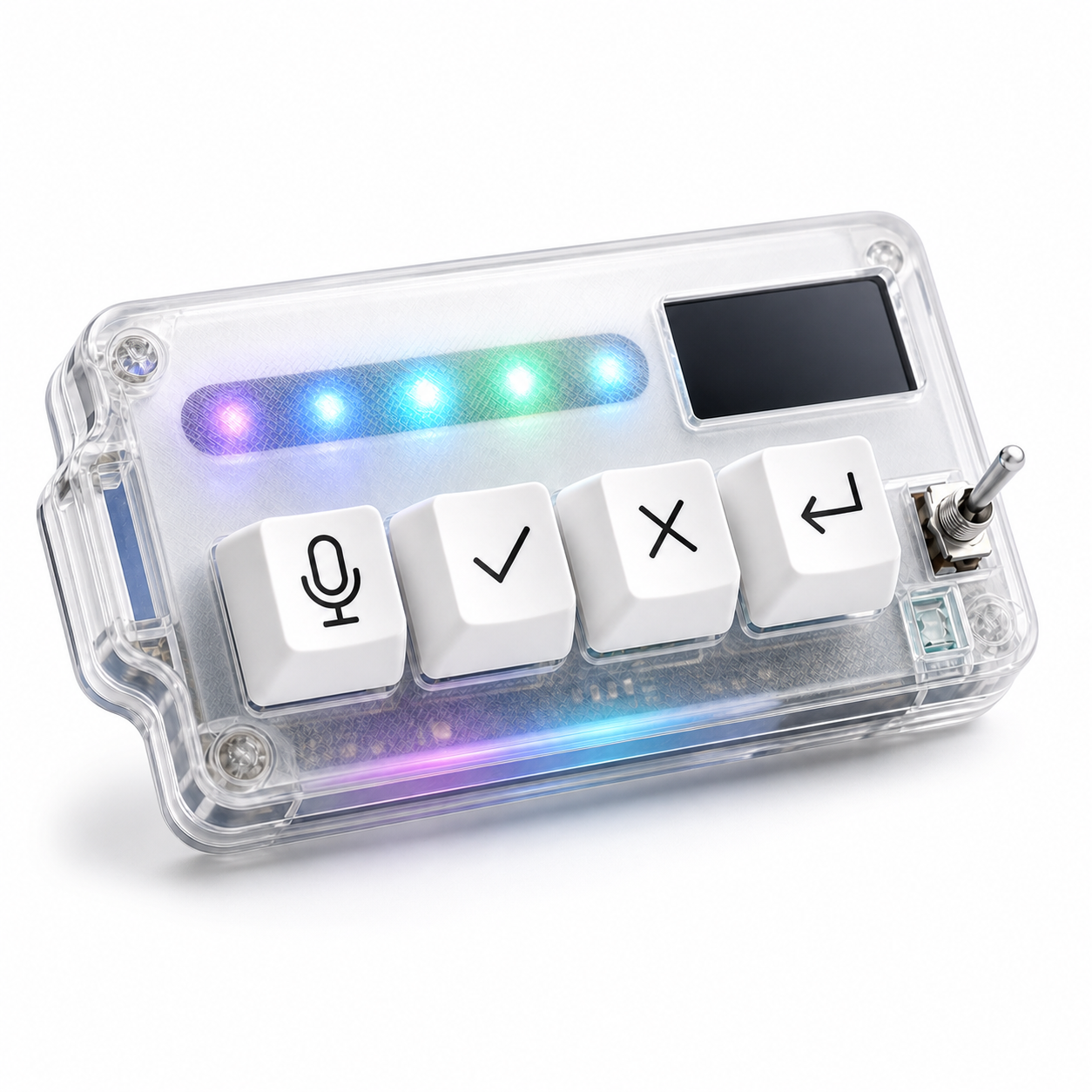
That surprise is frustrating, especially when the item is something practical like HarnessKeys, an AI workflow keypad for voice prompts and fast approve, cancel, and return actions. The best way to avoid confusion is to understand which charges belong to the store checkout and which ones may be controlled by local customs rules, carriers, banks, or tax authorities.
Separate the store total from local import charges
The checkout total is the amount the store asks you to authorize for the order. It can include the product price, the shipping method you select, and any taxes or discounts shown during checkout. That is the number you should review before placing the order.
Local import charges are different. Depending on your country, a physical product may be reviewed when it enters the destination market. Customs authorities or carriers can assess duties, import tax, VAT, brokerage fees, handling fees, or other local charges. Those fees are not always visible at the original checkout because they depend on local rules and carrier processing.
If you buy hardware internationally on a regular basis, this probably sounds familiar. If HarnessKeys is one of your first cross-border hardware orders, it can feel like the charge appeared out of nowhere.
Why a small keypad can still be checked by customs
Customs does not only review large machines or expensive electronics. Small accessories can still be classified, inspected, taxed, or delayed. A compact keypad is still a physical item moving through shipping documents, export declarations, destination-country rules, and carrier systems.
That means a package can be inexpensive, light, and intended for personal use while still triggering a local request. The exact outcome can depend on declared value, product category, shipping route, destination country, and the carrier handling the final delivery step.
This is one reason delivery estimates should be treated as estimates, not promises. A package can move normally for days and then spend extra time at a local processing point.
Check the checkout total before you commit
Before placing an order, review the product price, selected shipping method, final total, destination country, and billing details. Do not rush this part just because the product is small. A one-minute review can prevent a week of confusing support messages later.
If your payment provider applies currency conversion or cross-border fees, those may appear outside the store checkout. Your card issuer, bank, wallet provider, or payment app controls those account-level charges. HarnessKeys can help with the order record, but it cannot override your bank’s fee schedule.
For payment expectations, read the payment methods page before checkout.
Carrier requests should be handled carefully
If a carrier contacts you about customs, duties, taxes, or delivery release, read the request carefully. Confirm the tracking number, sender information, and carrier channel before paying anything. Use the official carrier site or app when possible, especially if the message arrived by SMS or email.
Be cautious with links that look unusual. Delivery scams are common, and they often imitate customs or carrier payment notices. A real carrier request should connect to the package details and tracking record. If something feels off, go directly to the carrier site and search by tracking number instead of clicking a message link.
Never send full card numbers, wallet credentials, passwords, or bank logins to HarnessKeys support or to anyone claiming to help by email.
Customs delays do not always mean the package is lost
A customs delay can look alarming because tracking may stop updating for several days. That pause does not automatically mean the order is lost. It may mean the package is waiting for local review, carrier handoff, tax assessment, address verification, or recipient action.
Tracking can also lag behind real movement. A parcel might be in a facility before the tracking page explains what happened. The shipping delivery page notes that delivery windows are estimates and that tracking can take time to update after fulfillment.
When the tracking page asks for action, respond through the carrier’s official process. When the tracking page is simply quiet, give it reasonable time before opening a support case.
What HarnessKeys support can and cannot confirm
Support can help identify the order, check whether it was fulfilled, review the tracking number if available, and point you to the right shipping information. Support cannot usually control local customs decisions, waive local import fees, or guarantee that a carrier will release a package without additional steps.
If you contact support, include the order number, checkout email, destination country, tracking number if available, and a short description of the carrier request or delay. Screenshots can help if they show tracking status, but do not include sensitive payment credentials.
The contact route is HarnessKeys support.
When duties should affect your buying decision
If your country often charges import duties on electronics or computer accessories, include that possibility in your decision before checkout. HarnessKeys may still be worth buying if it removes friction from daily AI coding sessions, but the real cost may be higher than the product price alone.
This matters most for buyers ordering for a team, a company address, or a region with strict import rules. If the order is time-sensitive, also consider that customs can add delay even when the selected shipping method is faster.
A good rule: buy the product because the workflow value makes sense, not because you assume the package will avoid every local fee.
A calm checklist before contacting support
First, review your order confirmation and tracking page. Second, check whether the carrier is asking for payment, documents, or recipient confirmation. Third, confirm the request through the official carrier channel. Fourth, read the shipping and payment pages so you understand which parts are controlled by the store and which are controlled locally.
If the order still looks unclear, contact support with the safe order details. HarnessKeys is designed to make AI workflow control feel physical and simple, but international shipping still has its own rules. Knowing that upfront makes the buying experience much less stressful.
You can start from the HarnessKeys product page, review checkout on the payment page, and check delivery expectations before ordering.
