
Use Cases and Workflow Playbooks
How to Use HarnessKeys for Customer Support Macros
Jun
Customer support macros are useful because many questions repeat. Shipping status, payment confusion, setup trouble, missing information, damaged package reports, and product questions all need consistent answers. AI can help draft those answers, but support replies still need accuracy, empathy, and policy discipline.
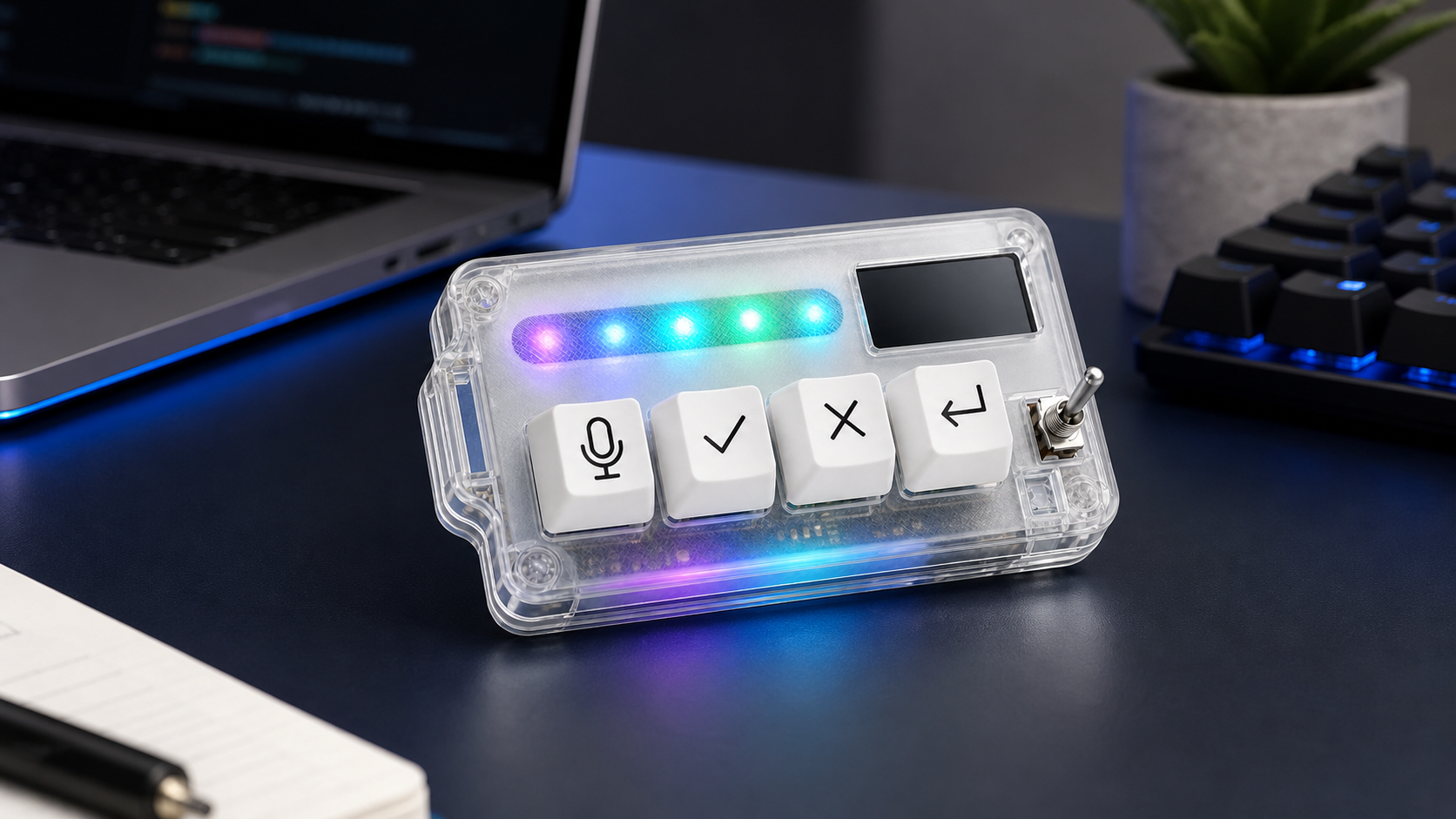
HarnessKeys can support the operator side of that workflow. Voice summarizes the case. Approve marks a reviewed reply. Cancel stops unsafe or generic language. Return moves through the next triage step. Used carefully, the keypad helps support teams move faster without sending careless responses.
Triage before drafting a reply
Do not start with a macro. Start with triage. What is the customer’s actual issue? Is it order status, tracking, payment, address, damaged item, incorrect item, setup, or general product fit? A reply that answers the wrong category wastes time and annoys the customer.
Use voice input to summarize the case in one sentence. For example: “Customer has an order number, tracking has not updated, destination country is Canada, and they want to know whether the package shipped.” That summary gives the AI tool a clearer reply target.
Good support starts with classification.
Use safe customer details only
When using AI tools for support drafting, be careful with personal and payment information. Do not dictate full card numbers, wallet credentials, passwords, bank details, or private account information. The HarnessKeys payment page also makes clear that support does not need complete card or wallet credentials by message.
If an order needs support review, the safer details are order number, checkout email, destination country, tracking number if available, and a short issue description.
Speed should never weaken data hygiene.
Approve replies only after policy review
A support macro can sound polite and still be wrong. Before pressing approve, check whether the reply matches the live policy. For shipping questions, use the shipping delivery page. For payment questions, use the payment methods page. For damaged, incorrect, defective, or missing items, use the refund and returns policy and ask for photos when appropriate.
Do not let an AI tool invent guarantees, refund promises, delivery dates, or return instructions. Policy language has to come from the business.
Approve means checked, not merely polite.
Cancel unsafe or overconfident text
Cancel any draft that promises a guaranteed delivery date, says a refund is approved without review, asks for sensitive payment data, blames the customer, or gives instructions that conflict with the site pages. Also cancel replies that sound too generic to answer the actual ticket.
A better prompt is specific: “Rewrite this as a short support reply. Ask for order number, checkout email, destination country, and tracking number if available. Do not promise a delivery date.”
Support AI should reduce workload, not create risk.
Escalate when evidence is needed
Some cases should not be solved by a macro. Damaged packages, incorrect items, missing items, suspected payment issues, and address changes after fulfillment may need review. In those cases, the best reply asks for the right evidence and sets expectations.
For physical product issues, clear photos of the package, shipping label, and product can help support understand what happened. For shipping issues, tracking information and destination country are useful. For checkout confusion, order number and checkout email matter most.
A good macro knows when to stop being a macro.
Keep tone human under pressure
Support teams use macros because they are busy. Customers contact support because something already feels uncertain. That combination can create cold replies. Use voice to add a short human sentence before asking for information: “I understand why this is frustrating” or “We can check the order state with a few details.”
Do not overdo it. The best support tone is clear, calm, and useful.
Human does not mean long. It means attentive.
Document macros that changed
If you refine a support macro, record what changed and why. Shipping wording, payment safety language, photo requirements, and escalation rules should be consistent across the team. A private one-off prompt can help one reply, but a documented macro helps the next hundred.
HarnessKeys can help operators move through drafting and approval, but the macro library needs maintenance outside the AI session.
Consistency is part of support quality.
Keep escalation handoff clean
When a ticket needs escalation, do not send the next teammate a pile of raw AI text. Send a clean handoff: customer issue, order number if available, checkout email, country, tracking number if available, evidence requested, evidence received, and the reply already sent. Voice input can help draft that internal note quickly.
This makes the support workflow smoother without making the customer repeat themselves. It also helps prevent a second operator from promising something the first operator carefully avoided.
For HarnessKeys support, this is especially useful around shipping and physical product issues. A teammate can understand the case faster when the handoff says whether tracking exists, whether photos were requested, whether the customer already checked the package, and whether the issue is setup, delivery, or item condition.
A support workflow with HarnessKeys
Use this loop: triage the issue, summarize by voice, draft a policy-aware reply, approve only after fact review, cancel unsafe text, escalate evidence-heavy cases, and update the macro library when the reply pattern improves.
For product context, see the HarnessKeys product page. For customer-facing order issues, use the contact route with safe details.
