
Troubleshooting and Support
Cancel Key Does Nothing: Troubleshooting Stop Actions
Jun
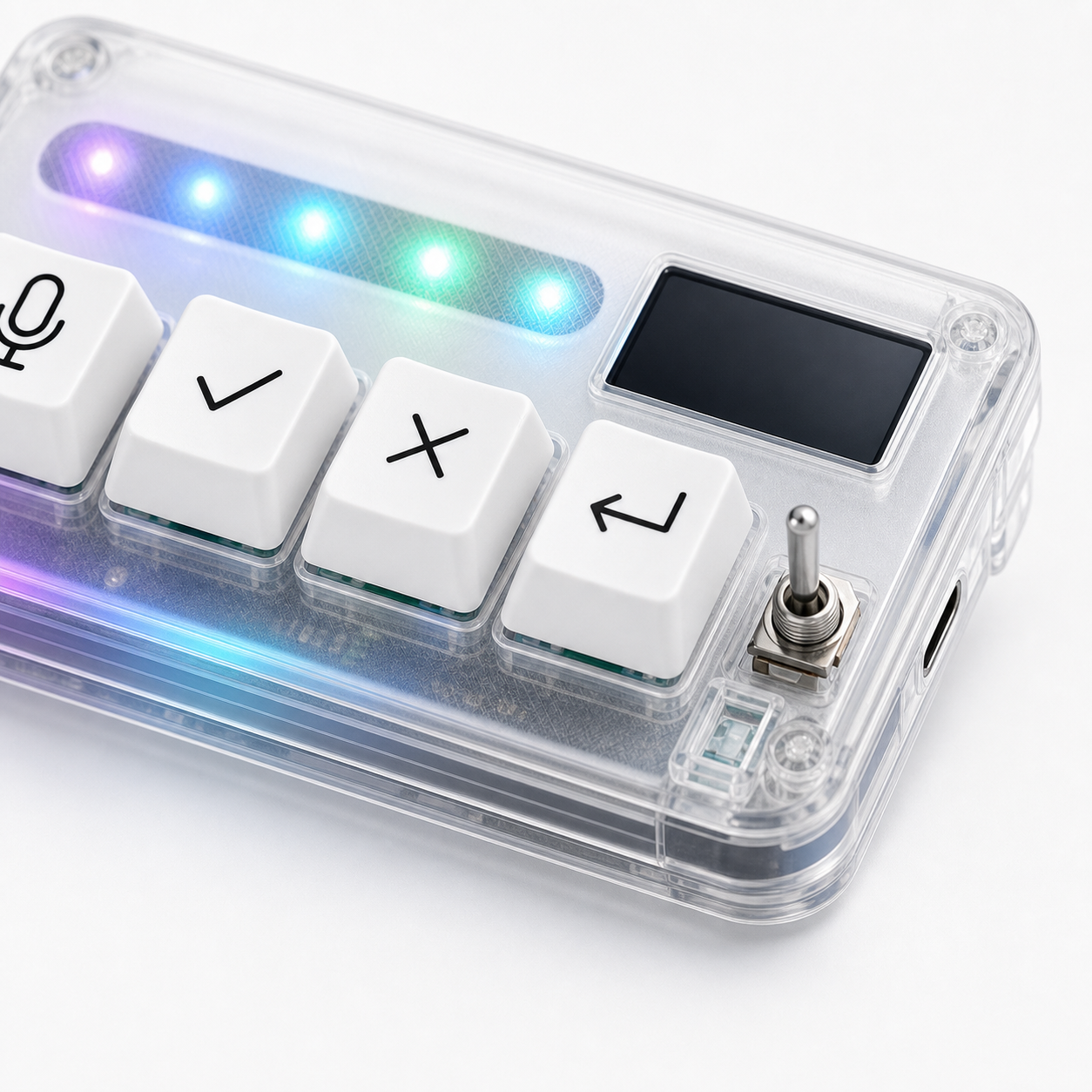
If the cancel key does nothing, the first thing to understand is that “cancel” is rarely universal. One app may treat escape as cancel. Another may need a stop-generation command. A terminal may require an interrupt. A browser prompt may only stop when the right panel has focus. The key can be working while the target app ignores it.
HarnessKeys is most useful when cancel feels like a reliable brake. To get there, test the actual stop action in each tool, separate escape from cancel, check focus, and choose safer alternatives when one shortcut cannot cover everything.
Define what cancel should stop
Do not troubleshoot cancel in the abstract. Decide what it should stop in the current workflow. Should it stop an AI response? Reject a suggestion? Close a prompt? Interrupt a terminal process? Cancel dictation? Dismiss a modal?
Each of those actions may require a different signal. If you expect one key to handle all of them without context, disappointment is likely.
A precise target makes the fix possible.
Test the app-specific cancel action manually
Before blaming the keypad, use the normal UI or shortcut to cancel the action manually. If manual cancel does not work, the HarnessKeys mapping cannot fix it. You need to understand how the app expects cancellation to happen.
If manual cancel works, map the key to that same action and test again in the same context. If it fails only through the keypad, the issue may be shortcut mapping or focus.
Manual behavior is the baseline.
Separate escape from true stop behavior
Escape is often useful, but it is not always a real stop command. It may close a dropdown, leave an input field, dismiss a tooltip, or cancel a small UI state while the AI response continues elsewhere. For some tools, a dedicated stop button or command is different from escape.
If escape feels unreliable, look for a more specific stop action. A cancel key should stop the thing you care about, not merely do something nearby.
Names can be misleading. Test behavior.
Check browser focus during generation
In browser-based AI tools, focus matters. If the prompt field, page body, browser address bar, or another tab is active, the cancel key may not reach the running response. Click the response area or the intended control surface and test again.
If the key only works after clicking a particular part of the page, document that. You may decide to keep the mapping, but you should know its limitation.
Invisible focus is a frequent cancel problem.
Check terminal focus separately
Terminal-based workflows are different. A stop action may depend on terminal focus and may behave differently from a browser cancel. If you use AI coding tools in a terminal, test cancel with a harmless process, not a real production task.
Do not assume the same key should stop terminal work and browser generation unless you have tested both. If the terminal is not active, the interrupt may go nowhere.
Terminal cancellation deserves its own test.
Choose safer alternatives for risky contexts
If one cancel mapping is unreliable in a high-risk workflow, use a safer manual action there. It is better to click a known stop button than press a physical key that only sometimes works. You can still use HarnessKeys for voice, return, and low-risk cancellation elsewhere.
The best setup is not always the most automated one. It is the one you trust under pressure.
Reliability beats elegance.
Test cancel before a session gets busy
Cancel should be part of your preflight check when starting a serious AI session. Open a harmless prompt, trigger a response or action you can safely stop, and confirm that the cancel key behaves as expected. This takes less than a minute and gives you confidence before the work becomes important.
That preflight is especially useful after switching tools, changing browsers, moving from laptop to desktop, or reconnecting over Bluetooth. A cancel key that worked in yesterday’s app state may not work after today’s context shift.
Keep a manual stop path visible
Even with a good mapping, keep the app’s manual stop button or known stop command visible in your mind. Hardware controls are helpful, but a fallback matters when focus is wrong or the app behaves differently than expected.
If the physical key fails during a live session, use the manual stop path first. Troubleshoot the key after the risky action is stopped.
Retest after tool updates
AI tools change. A stop button, shortcut, focus rule, or generation state can shift after an update. If cancel worked last week and fails today, retest the manual cancel path before remapping everything.
Write down the date and tool version if the change is obvious. That helps you understand whether the problem is setup drift or product behavior.
Cancel mappings need occasional maintenance.
Support details for a silent cancel key
If the cancel key still fails after manual testing, contact HarnessKeys support. Include the order number, checkout email, operating system, app name, connection mode, what cancel should stop, what it does in a plain text field, and whether other keys work.
If the device appears damaged, include photos. If the issue is physical or fulfillment related, review the refund and returns policy. If it is tool-specific, the evidence may point toward app mapping rather than product damage.
