
Buying Trust and Logistics
Why Product Images Packaging and Small Details Can Vary by Batch
Jun
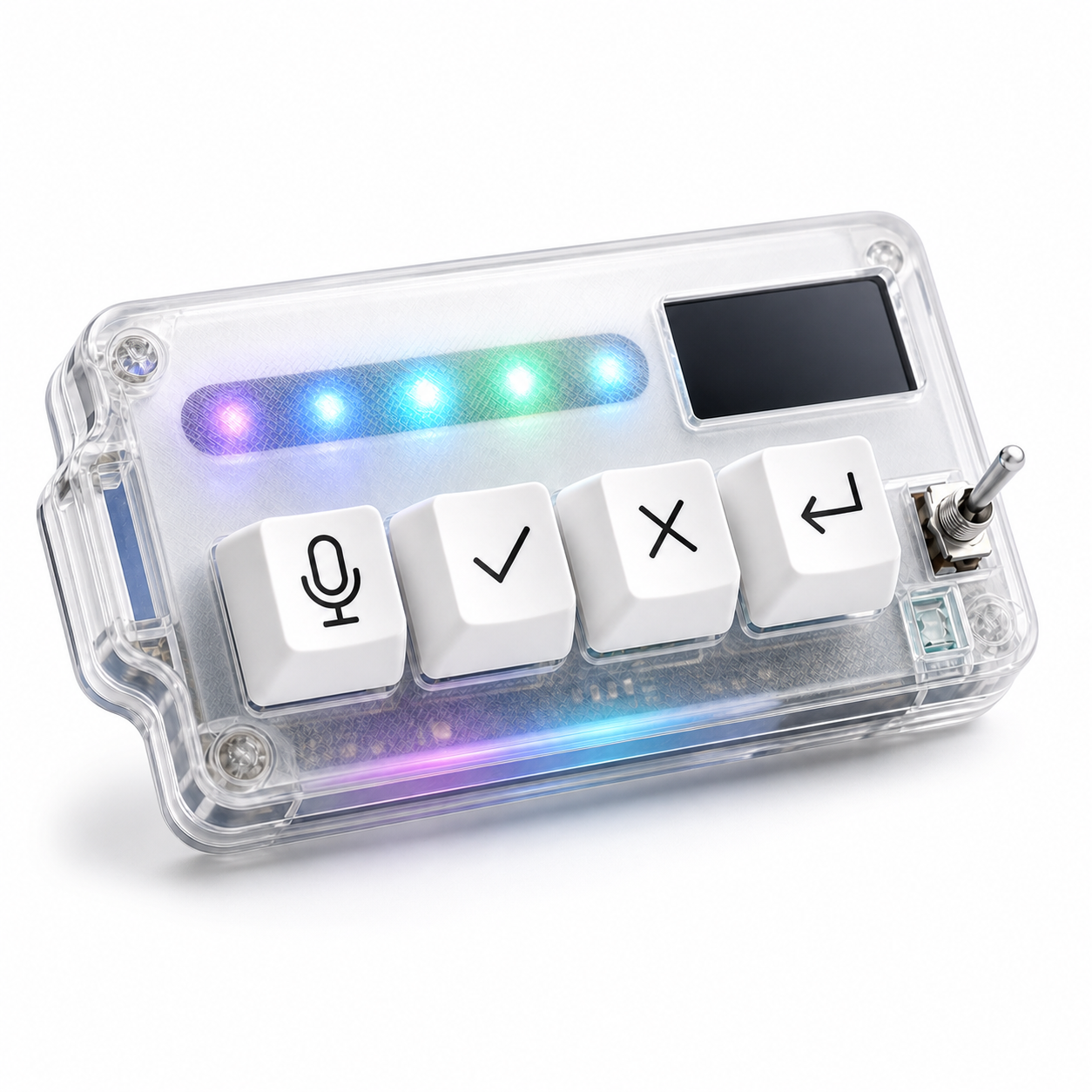
Product photos are important, especially when buying a small hardware accessory online. You want to know what will sit on your desk, how the keys look, whether the body feels compact, and whether the device matches the workflow you imagined. At the same time, physical products can have small batch differences.
HarnessKeys is a hardware keypad for AI workflows, not a static screenshot. The core idea is consistent: a compact controller for voice input and quick actions such as approve, cancel, and return. But packaging, minor cosmetic details, accessory arrangement, and small production details may vary from batch to batch.
Batch variation is normal for physical hardware
Software can be updated instantly and shown the same way to every visitor. Hardware is different. A product is manufactured, packaged, stocked, and fulfilled in batches. Suppliers may adjust small parts, packaging inserts, labels, cable presentation, surface finish, or included paper material without changing the product’s main purpose.
That does not mean the product is random. It means small physical details can move while the product category and workflow promise stay the same. The HarnessKeys terms page notes that product details may vary by fulfillment batch, which is a common expectation for compact hardware accessories.
If you need every visible detail to match a photo exactly, you should treat that as a buying consideration before ordering.
Product photos show the intended product experience
Photos help explain the shape, desk role, key concept, and general look of HarnessKeys. They are meant to show the type of device you are buying: a small, dedicated AI workflow keypad that gives important actions a physical place on the desk.
Photos are not a guarantee that every package insert, accessory placement, or tiny cosmetic detail will match pixel for pixel. Lighting, screen rendering, photography angle, and batch changes can all affect what you see compared with what arrives.
The practical question is whether the received device supports the workflow you bought it for.
Packaging can change without changing the device
Packaging is often the part most likely to vary. Box layout, protective material, printed inserts, labels, cable placement, and accessory grouping may change as fulfillment improves or supply changes. This is normal for a product sold online, especially when the brand is more focused on function than collectible packaging.
If the packaging is slightly different from a product image, that alone does not mean the item is wrong. Check the device, the keys, the connection behavior, and any included accessories needed for normal use.
Packaging matters if it arrives damaged, if the product is missing, or if the wrong item is inside. In those cases, contact support with clear photos.
Small cosmetic differences are not the same as defects
A small difference in surface reflection, keycap shade, label alignment, or accessory layout may not affect function. A defect is different. Defects include problems such as a non-working key, damaged body, missing required component, unsafe cable condition, or clear shipping damage.
Before opening a support case, separate cosmetic expectation from functional issue. That makes the conversation much easier. “The packaging insert looks different from the photo” is not the same as “the mic key does not register” or “the device arrived cracked.”
Support can respond better when the issue is described accurately.
Firmware and software behavior may depend on setup
Some buyer expectations are not about the hardware shell at all. They are about how the keypad behaves with a computer, voice input tool, browser, coding assistant, or operating system shortcut. Those behaviors can depend on permissions, connection mode, software mapping, and the tool you pair with HarnessKeys.
If a key does not behave the way you expected, test it in a simple text field or shortcut environment before assuming the hardware batch is different. A mapping issue can look like a product issue during the first setup session.
For first-use questions, the setup tutorials in the blog are more useful than product photos.
What should stay consistent
The core purpose should stay consistent: HarnessKeys is meant to give AI coding and vibe coding workflows a dedicated physical control surface. It should help you trigger voice input, confirm actions, cancel actions, and return control without hunting through a full keyboard every time.
The product should also arrive as the ordered item, not a different category of hardware. If you ordered the HarnessKeys AI workflow keypad, you should not receive an unrelated accessory. If that happens, treat it as an order problem, not normal variation.
Use the product page as the main reference for what the item is intended to be.
How to document a real issue
If you believe the product is damaged, incorrect, defective, or missing an expected component, document it before sending a support message. Take clear photos of the package, shipping label, product, visible damage, and any included accessories. If a key is not working, describe what you tested and on which device.
The refund and returns policy explains that damaged, incorrect, or defective items may require review with photos or videos. This is not busywork. It helps support understand whether the problem is shipping damage, fulfillment error, setup issue, or normal cosmetic difference.
Send the order number and checkout email with the support request.
When batch variation should matter to you
Batch variation matters more if you are buying HarnessKeys for photography, resale display, a strict studio aesthetic, or a gift where packaging presentation is part of the value. It matters less if your main goal is to reduce friction in daily AI coding work.
If your purchase decision depends on an exact visible detail, contact support before ordering and ask whether that detail can be confirmed. Support may not be able to guarantee every batch characteristic, but asking before checkout is better than discovering the mismatch after delivery.
For ordinary use, focus on workflow fit: where it sits, how the keys feel, and whether it makes approve, cancel, return, and voice input easier to reach.
The buyer expectation that avoids disappointment
Expect the product’s purpose and main form to match the listing. Allow reasonable room for small packaging and batch details to vary. Treat functional problems, missing parts, wrong items, or shipping damage as support issues. Treat minor cosmetic or packaging differences as part of buying physical hardware unless they affect use.
If something arrives that genuinely seems wrong, contact HarnessKeys support with safe order details and photos. If you are still deciding, review shipping delivery and payment expectations before checkout.
The best reason to buy HarnessKeys is the daily workflow improvement, not the assumption that every package will look exactly like one photo on one screen.
