
Troubleshooting and Support
Microphone Key Does Not Start Voice Input: Permission Checklist
Jun
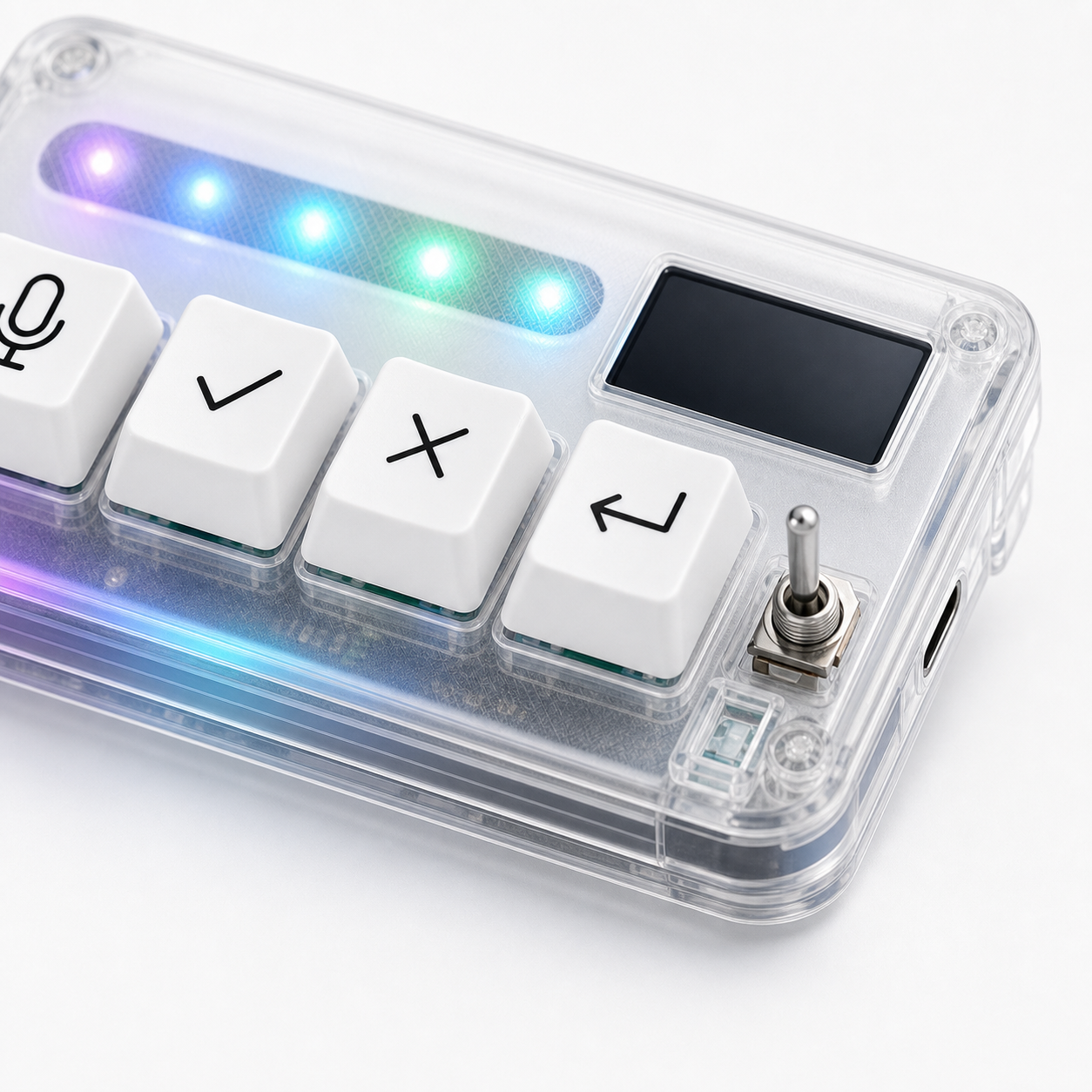
If the microphone key does not start voice input, the problem is often permission or focus rather than the physical key. Voice input involves several layers: operating system microphone access, browser or app permission, selected microphone, dictation shortcut, active text field, and the HarnessKeys mapping.
The right troubleshooting path is to prove each layer. Start with manual voice input, then test the key in a simple field, then move into your AI workflow.
Check operating system microphone access
First confirm that your operating system allows microphone use. If microphone access is disabled globally, no key mapping can start dictation successfully. Also confirm that the correct microphone is selected. Many setups include a laptop mic, headset mic, webcam mic, monitor mic, or external microphone.
Test the microphone in any simple recording or voice input tool. If the system cannot hear you there, fix the microphone before troubleshooting HarnessKeys.
The mic key needs a working mic behind it.
Test dictation manually before using the key
Start your dictation or voice input tool manually. Use the normal system shortcut, browser control, or app button. Speak a short phrase into a plain text field. If manual voice input fails, the HarnessKeys mapping is not the first problem.
Fix the manual workflow first. Then map the key to trigger it. This order prevents you from debugging hardware and dictation at the same time.
A working manual path is the baseline.
Review browser and app permissions
If you use voice input in a browser or AI app, check that the specific site or app has microphone permission. Browser permission can be blocked even when the operating system microphone is enabled. Private windows, browser profiles, and site settings can also behave differently.
Click the intended prompt field, start voice manually, and confirm the browser asks for or already has permission. If permission is denied, change it before testing the mic key again.
Permission prompts are easy to miss.
Look for shortcut conflicts
The mic key may be mapped to a shortcut that another app or system feature already uses. If the key opens search, changes focus, triggers a launcher, or does nothing visible, a conflict may be stealing the input.
Choose a shortcut that reliably starts your voice tool in the environment you use most. Test it without the keypad first, then assign it to HarnessKeys.
Shortcut conflicts make good hardware feel unreliable.
Confirm the prompt field has focus
Voice input usually needs somewhere to put the text. If the cursor is not in the prompt field, dictation may start but insert text elsewhere, or it may not appear at all. Before pressing the mic key, click the target field and look for the cursor.
This matters in AI coding tools where editor, terminal, browser, and chat panels are all open. The mic key can only help if the active surface is correct.
Focus mistakes are common and very fixable.
Try a short phrase in a plain field
Use a blank document or text field and test the mic key with a short phrase such as “testing voice input.” Avoid a long coding prompt until the basics work. If the short phrase appears, the voice trigger works at least in that context.
Then move to the AI tool and test again. If it fails only there, inspect app permissions, focus, and shortcut behavior.
Small tests reveal the failing layer.
Check noise and microphone selection
Sometimes voice input starts but transcription is poor or empty because the wrong microphone is selected, the room is noisy, or the microphone is muted. This can feel like the key failed when the trigger actually worked.
Check whether the voice indicator appears, whether the correct input device is active, and whether your system receives sound. A headset mute switch is easy to forget.
The key can trigger listening, but it cannot fix a muted mic.
Retest after browser or app updates
Voice input behavior can change after a browser, operating system, or AI app update. If the mic key worked before and suddenly stopped, check permissions again and retest manual dictation. Updates can reset site permissions, change focus behavior, or alter shortcut handling.
Do not rebuild the whole HarnessKeys setup before checking the simpler explanation. A permission reset can look exactly like a broken shortcut.
Keep a typed fallback for urgent work
If voice input stops working during an urgent task, switch to typing instead of losing the session to troubleshooting. Use HarnessKeys for approve, cancel, and return if those keys still work, and fix the mic key after the task is safe. This keeps one failing layer from blocking the whole workflow.
Later, run the permission and shortcut checklist calmly. Voice input is valuable, but urgent work still needs a fallback path.
Voice-input details to send HarnessKeys support
If the mic key does not trigger input after manual voice works, the shortcut is tested, app permissions are enabled, and focus is correct, contact HarnessKeys support. Include order number, checkout email, operating system, connection mode, voice tool, and what happened in a plain text field.
Do not send sensitive payment credentials. For product context, review the HarnessKeys AI workflow keypad. If the issue is related to shipping damage or an incorrect item, review the refund and returns policy and include clear photos where relevant.
