
Troubleshooting and Support
Keys Work in One App but Not Another: App Focus Explained
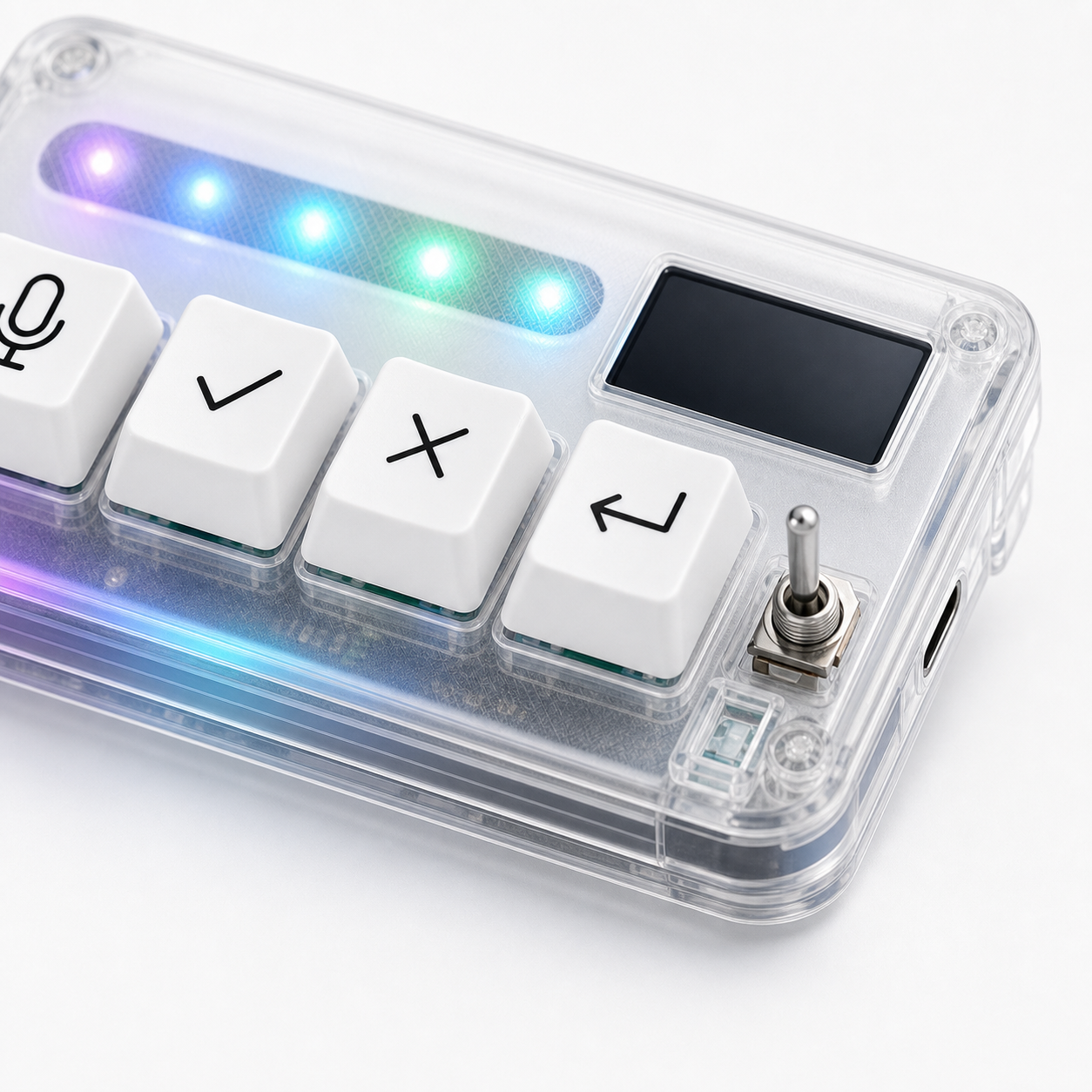
Jun
If your keypad works in one app but not another, the device is probably not the main problem. The more likely issue is app focus, shortcut routing, permissions, or the fact that different tools interpret the same key differently. This is common with AI workflows because users jump between browser, editor, terminal, chat, and operating system input.
HarnessKeys can still be working perfectly. The question is where the key press is going and what that app is allowed to do with it.
Identify the active window first
Before pressing a key, ask which window is active. Is the cursor in the AI prompt box, the code editor, the terminal, the browser page, or a hidden dialog? A physical key sends input to the active context. If the wrong context is active, the result will look wrong.
Click directly into the intended field and test again. This simple check solves many “works here but not there” reports.
Focus is invisible until it breaks something.
Compare browser and IDE behavior
Browsers and IDEs often handle shortcuts differently. A return key may submit a browser prompt but create a new line in an editor. A cancel action may stop generation in a web app but close a menu in an IDE. A voice shortcut may work in one surface and require permission in another.
Test the same key in each environment and write down the result. Do not assume consistency until you have seen it.
Different apps have different rules.
Check global shortcut conflicts
Your operating system or another app may own a shortcut before the target app receives it. Global shortcuts for search, screenshots, window management, dictation, accessibility, or launcher tools can intercept input.
If a key does nothing in one app but triggers a system action elsewhere, look for a shortcut conflict. Choose a mapping that reaches the tool you actually want to control.
A good mapping should not fight the operating system all day.
Review permissions for voice and automation
Voice input and automation-like actions may require permission. A browser may need microphone access. A desktop app may need accessibility permission. An editor extension may need focus in a specific panel. If permissions are blocked, the key press can seem broken.
Test the action manually without HarnessKeys. If manual voice input or app control does not work, fix that layer first. The keypad can only trigger a working action.
Permission failure is not the same as hardware failure.
Use a plain text field as the control test
Open a plain text field and press each key. If input appears or a predictable action occurs, the hardware is sending something. Then move to the problem app and test the same key. The difference between those two tests is the clue.
If the key works nowhere, troubleshoot connection. If it works in the field but not the app, troubleshoot app focus, shortcut mapping, and permissions.
A control test keeps the diagnosis honest.
Avoid assigning one key too many meanings
Sometimes the problem is not technical. The mapping is simply too clever. One key means submit in the browser, approve in the editor, interrupt in the terminal, and accept in a chat tool. That can work for a while, then fail the moment focus changes.
If you keep confusing yourself, simplify the mapping. Use one mental role per key and document tool-specific exceptions.
Consistency is worth more than cleverness.
Restart the target app after changing mappings
When you change shortcuts or permissions, restart the target app or browser tab if behavior remains strange. Some tools cache settings or only recognize input after focus resets. Then test again in the intended field.
Do not change five settings at once. Change one, test one, and record what happened.
Shortcut troubleshooting is easier when it stays boring.
Make a two-column app test note
If the issue persists, make a small two-column note: app where the key works, app where the key fails. Add active field, connection mode, shortcut role, and what the key did. This turns a vague problem into a map of the failure.
For example, “mic key starts dictation in browser search, does nothing in editor prompt, browser has microphone permission, editor permission unknown.” That note points directly to the next setting to check.
Find the shortcut owner
When a key behaves differently between apps, ask which layer owns the shortcut. It may be the operating system, browser, editor, terminal, extension, AI tool, or accessibility feature. The owner decides what happens when the signal arrives.
If the wrong owner responds, remap the action or disable the conflicting shortcut. This is better than repeatedly pressing the key and hoping the right app will eventually listen. HarnessKeys sends the input; the software stack decides where it lands.
What to send support if it still fails
If you contact HarnessKeys support, include the order number, checkout email, connection mode, operating system, the app where keys work, the app where keys fail, and the result of the plain text field test. That detail helps separate device issues from app-specific shortcut behavior.
If the device works in a text field, support may still help you think through setup, but the evidence points strongly toward app focus or mapping. Review the product page if you need to reset the intended key roles.
